
Where Civil Society Speaks,
Budgets Must Listen
WDF joined over forty civil society organisations at the CSBAG CSO Retreat in Kampala to scrutinise Uganda’s Ministerial Policy Statements for FY2026/27 — two days of rigorous analysis, position-paper debates and a collective insistence that public money must work for ordinary people.
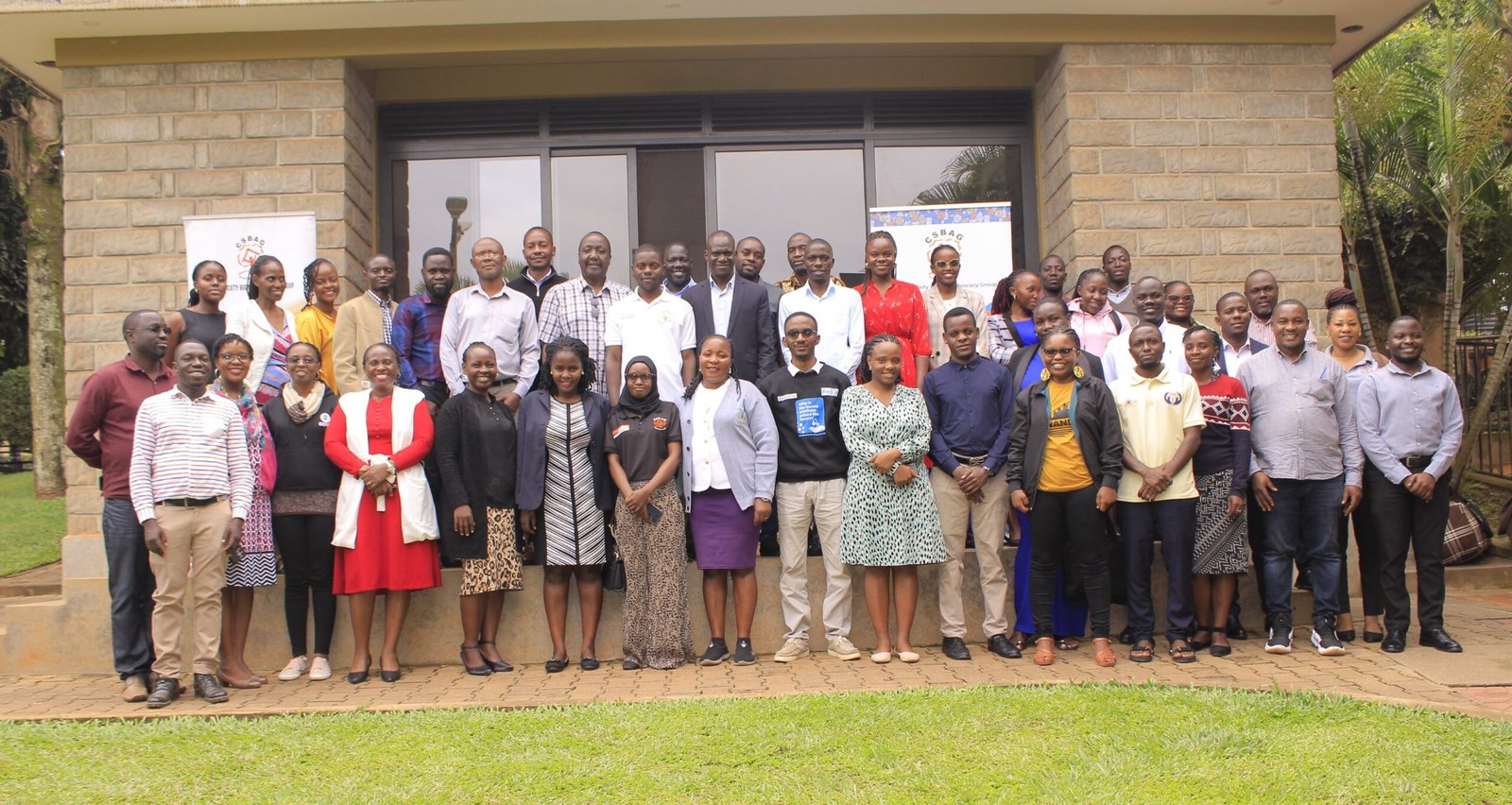
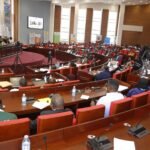
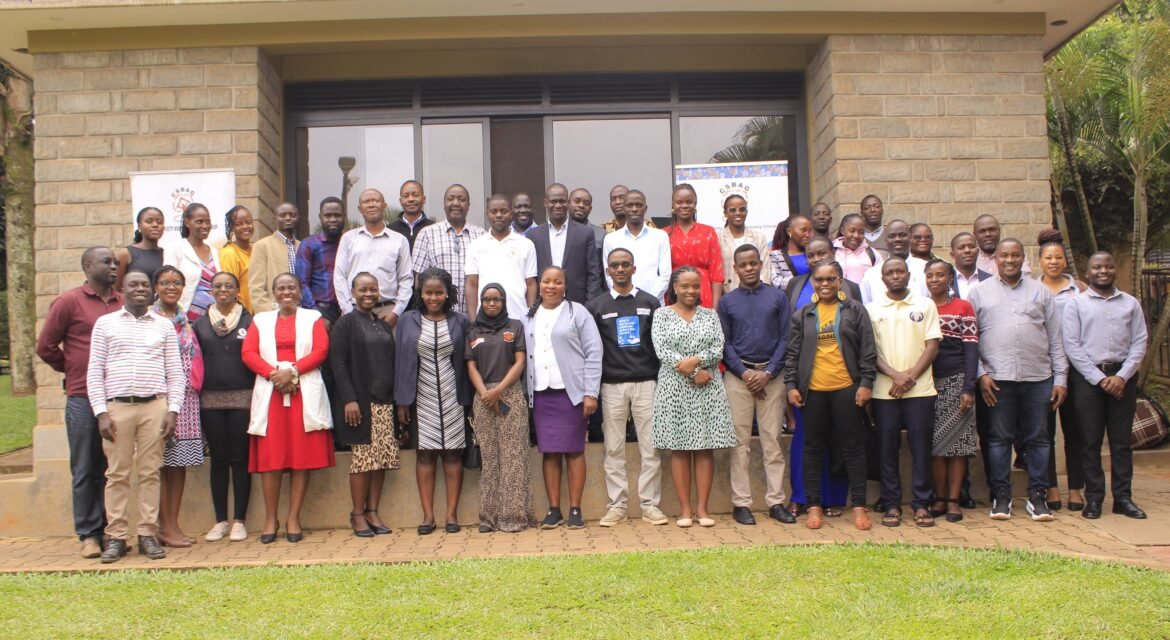
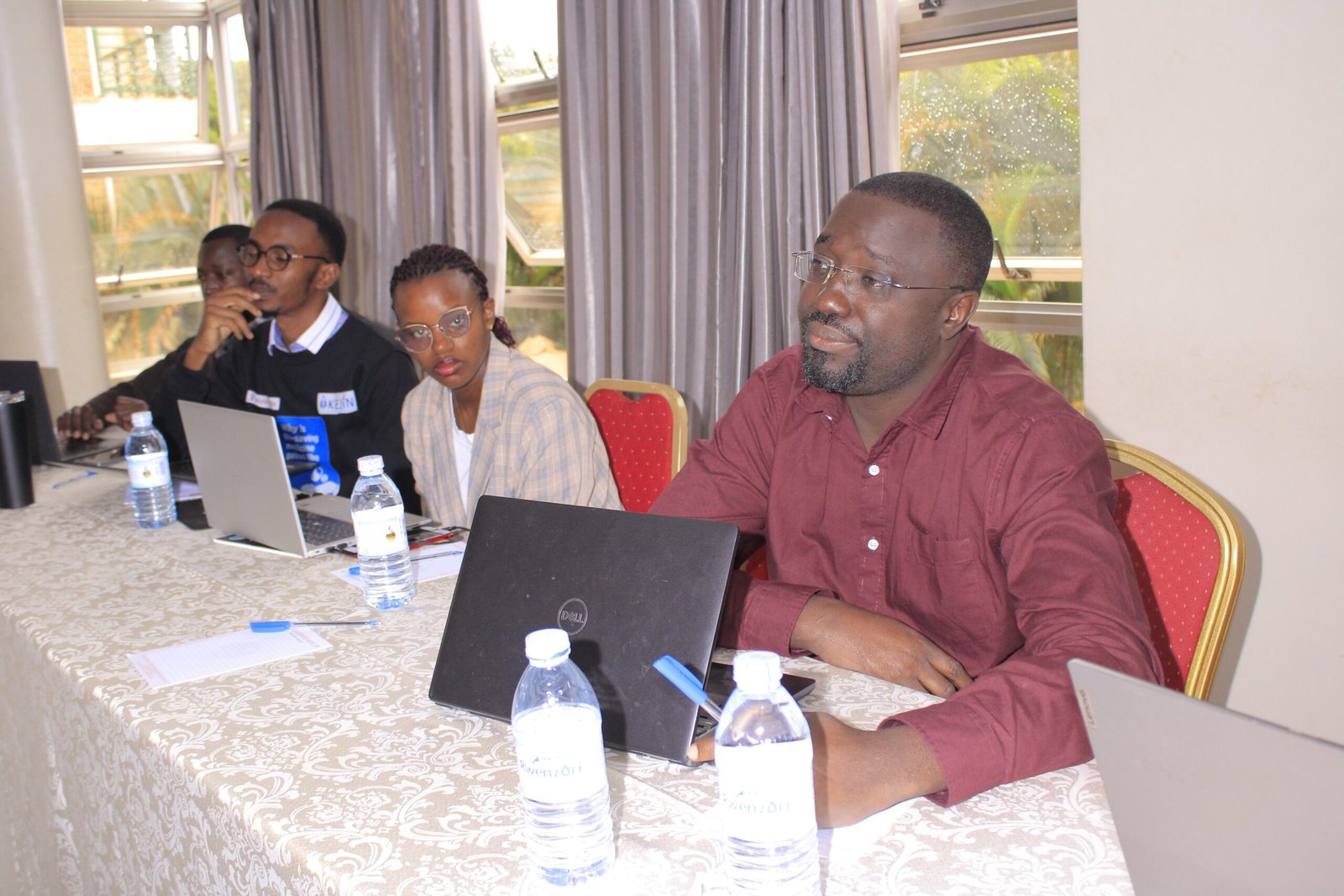
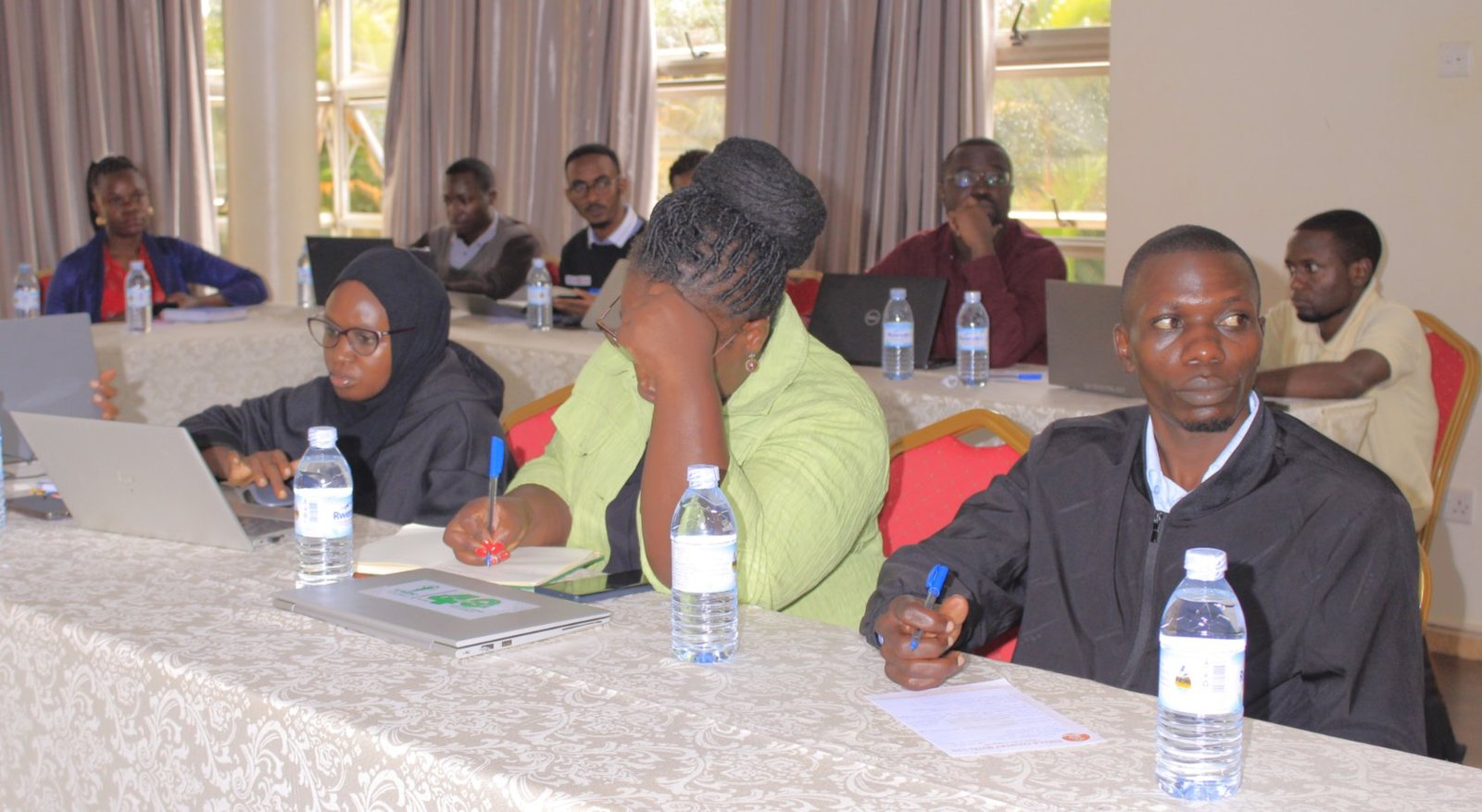
CSO participants gather for the opening day of the CSBAG Retreat on Ministerial Policy Statements, FY2026/27 — Kampala, 26 March 2026.
Every year, somewhere between the approval of Uganda’s National Budget Framework Paper and the final tabling of Appropriation Bills before Parliament, there is a narrow but critically important window a moment when the numbers on government spreadsheets can still be shaped by the voices of the people those numbers are supposed to serve. The Civil Society Budget Advocacy Group (CSBAG) CSO Retreat on Ministerial Policy Statements for Financial Year 2026/27, held over 26–27 March 2026 in Kampala, was precisely that window where Wilmat Development Foundation (WDF) was there to make sure our communities’ concerns were heard.
For context: Uganda’s annual budget cycle runs from the National Budget Framework Paper (NBFP), which sets the overall fiscal envelope and strategic priorities through to the Ministerial Policy Statements (MPS) detailed documents in which each government ministry and programme explains what it plans to do, what it will produce, and how it proposes to spend public resources in the coming financial year. By the time these statements are finalised and presented to Parliament, the room for manoeuvre is slim. The CSBAG retreat is in many ways civil society’s best shot at influencing the texture of these plans before they become law.
Setting the Stage: Why the Ministerial Policy Statements Matter
Uganda’s public finance management architecture has matured considerably over the past two decades. The Budget Act of 2001, subsequent amendments and the Public Finance Management Act of 2015 have all created legal obligations for transparency and public participation. Yet the gap between legal architecture and lived practice remains wide. For communities in Bugweri’s mining belt, for smallholder farmers in the Rwenzori sub-region, for young women navigating informal urban economies in Kampala what matters is not whether a budget framework paper mentions “gender-responsive programming,” but whether a health centre III actually has medicine on the shelf on a Wednesday morning.
That translation from policy statement to functional public service is exactly what civil society organisations like WDF to monitor, document and demand accountability for. The Ministerial Policy Statements are the connective tissue between broad fiscal strategy and ministry-level delivery. They name specific outputs, targets and allocations. When CSOs engage with them rigorously, they create a paper trail that can be used to hold duty-bearers accountable throughout the year.
Day One: From Framework Paper to Position Papers
The first day opened with a scene that is by now a familiar and deeply necessary ritual: dozens of programme officers, M&E specialists, finance experts and advocacy leads from across Uganda’s civil society ecosystem settling into their seats, laptops open, annotated budget documents spread across tables. The diversity of organisations present was itself a statement from large INGOs like Oxfam Uganda and World Vision Uganda to lean, community-rooted outfits like WDF, each bringing a different geographic lens and thematic specialisation.
CSBAG’s Monitoring and Evaluation Specialist, Wilberforce Onyuthi, opened with a stocktaking presentation that was as honest as it was instructive. Reflecting on the civil society engagement around the NBFP FY2026/27, he walked participants through what had been raised, what had been adopted and what had slipped through the cracks. The numbers told a partial success story: 8 position papers developed, direct engagements with two parliamentary committees (Education and Public Service & Local Government) and the remainder of papers shared with committees via email. It is the kind of progress that deserves acknowledgement and also the kind that demands a harder push.
Wilberforce’s message to the assembled CSOs was clear and deliberately practical: present issues in an evidence-based manner. Not because Parliament is not moved by stories it is but because evidence creates trails. It enables tracking. It makes it harder for a recommendation to be quietly shelved between one financial year and the next. For WDF, this resonates deeply with how we approach our work: whether it is documenting community realities or implementing low-cost high impact socio-economic intiatives, we believe accountability begins with rigorous documentation.
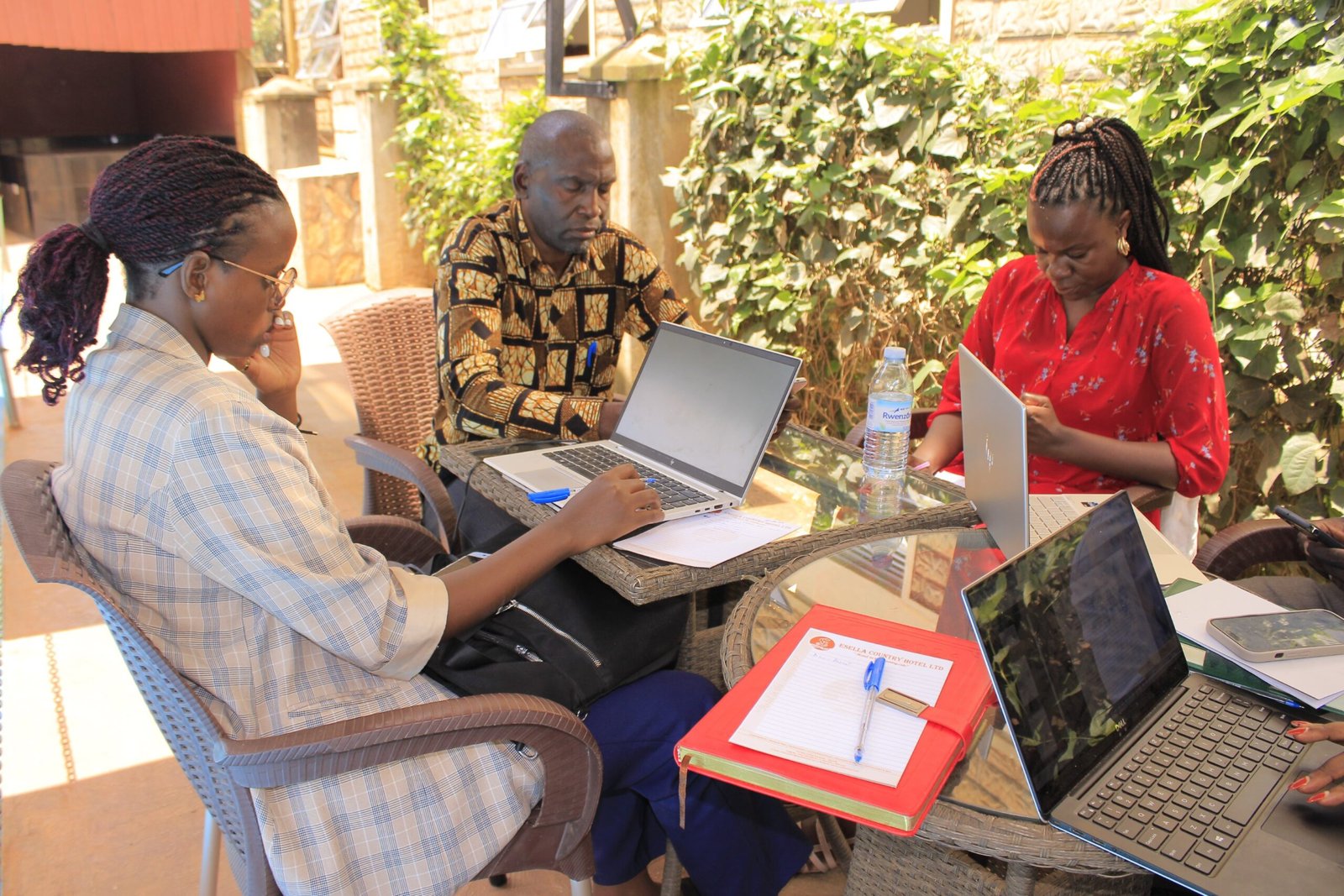
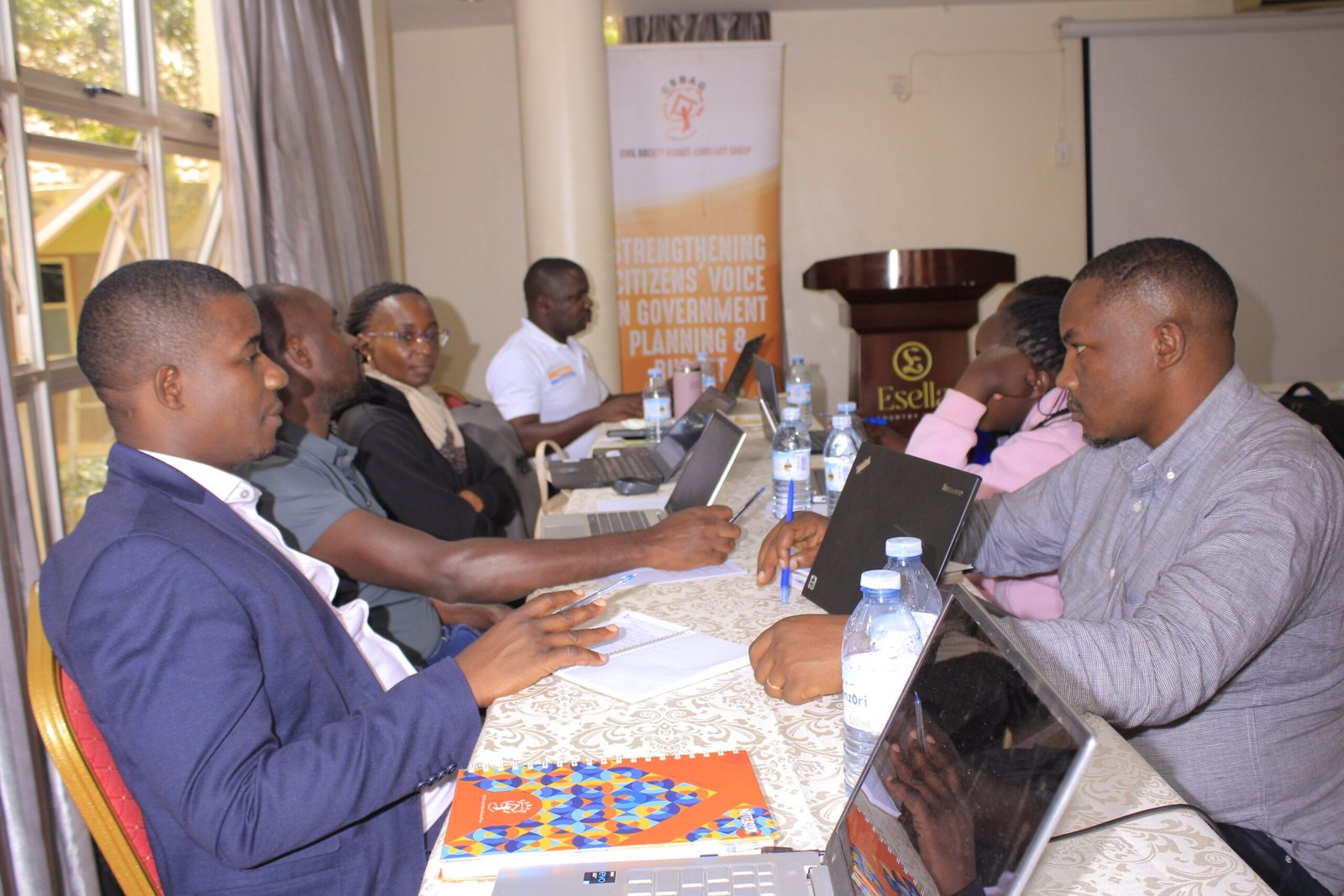
Working groups analyse sector performance data and develop evidence-based policy recommendations — Day 1, 26 March 2026.
After the plenary, participants broke into smaller sector-specific groups the retreat’s signature methodology. These groups are not merely discussion forums; they are structured analytical spaces where CSOs pool expertise, cross-reference data from multiple sources and produce concrete written recommendations. The reference materials for this year’s retreat were substantial, reflecting the seriousness of the task.
- National Budget Framework Paper FY2026/27
- Ministerial Policy Statements FY2026/27
- Approved Budget Estimates for FY2025/26 and previous financial years
- Budget Strategy for FY2026/27
- Auditor General’s Reports (2025)
- Equal Opportunities Commission Certificate on Gender and Equity
- Relevant sector performance reports across health, education, agriculture and social protection
Day Two: Papers, Presentations and the Push for Policy Change
If Day One was about diagnosis, Day Two was about prescription. Groups reconvened to finalise and present their position papers structured documents that translate the analysis of sector performance, identified funding gaps and community-level realities into clear policy recommendations directed at the Ministry of Finance, Planning and Economic Development (MoFPED), Parliament and the relevant line ministries.
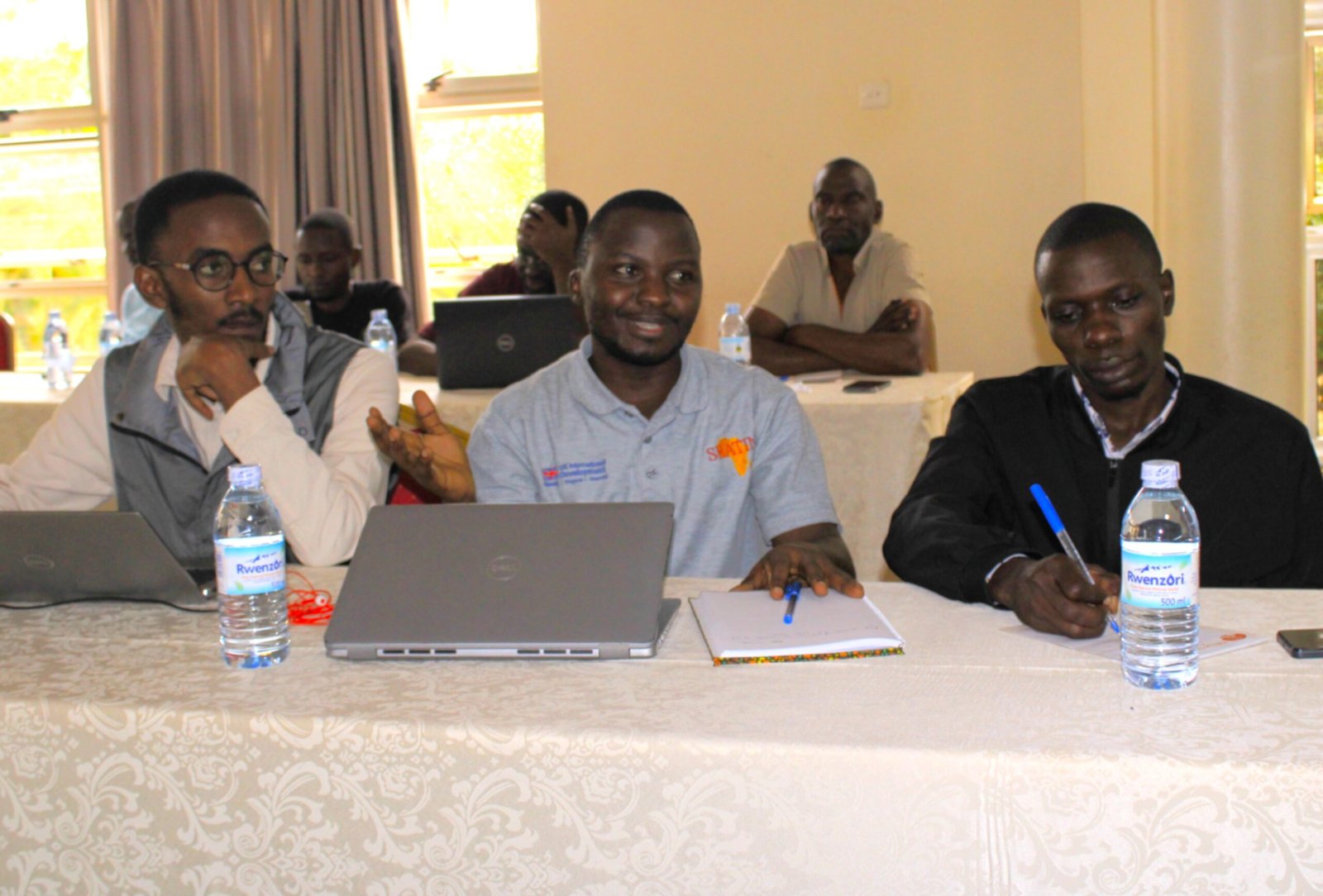
The presentations were a window into the breadth and depth of Uganda’s civil society ecosystem. Papers touched on health financing adequacy, nutrition budget allocations, the persistent underfunding of water and sanitation in peri-urban communities, gender-responsive budgeting gaps and the adequacy or rather, the chronic inadequacy of resources allocated to local government service delivery. Each paper was a small act of democratic accountability: the translation of community grievances into the language of fiscal policy.
The involvement and participation of upcountry CSO representatives must be ensured so that the concerns of the unprivileged are incorporated into national processes and plans.
— A participant’s reflection during the closing session, CSO Retreat, 27 March, 2026
That voice from the floor urging greater inclusion of CSOs operating far from Kampala’s conference halls is one that WDF takes personally. Our work is rooted in places like Busoga sub-region, Central, Elgon, Rwenzori and other sub-regions of Uganda. We know that the concerns of a young mother in a rural health unit, a smallholder farmer watching commodity prices collapse or a school-going girl navigating a community destabilised by extractive industry are not always visible in the national discourse. Being in that room and ensuring those voices find their way into position papers is part of why WDF participates in retreats like this one.
What This Means for WDF’s Advocacy Work
WDF attended this retreat not as a passive observer but as an engaged contributor. Our programmatic pillars Livelihoods and Socio-Economic Transformation; Healthier and Safer Communities; Gender Justice and Accountability Strengthening; and Institutional Capacity Strengthening map directly onto the sectors under discussion. The MPS sessions on agriculture, health and social protection are of particular relevance to the communities we serve across Uganda.
We also brought with us the perspective of communities in Uganda’s emerging rare earth mining zone in Bugweri District, where the Makuutu lithium project raises profound questions about youth economic inclusion, environmental governance and the local capture of resource revenues. These concerns at the frontier of Uganda’s development trajectory deserve a place in national budget conversations and we are committed to ensuring they get one.
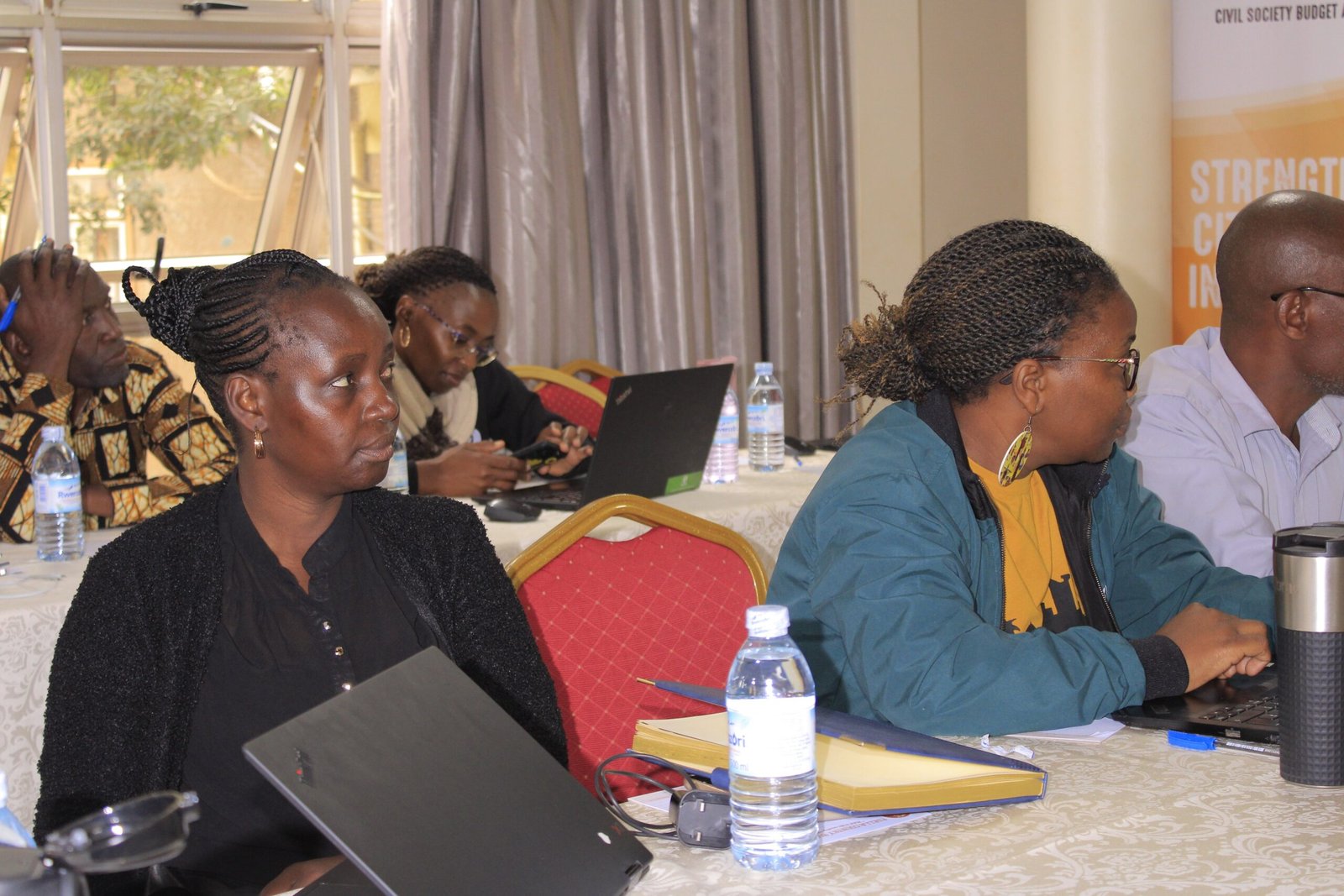
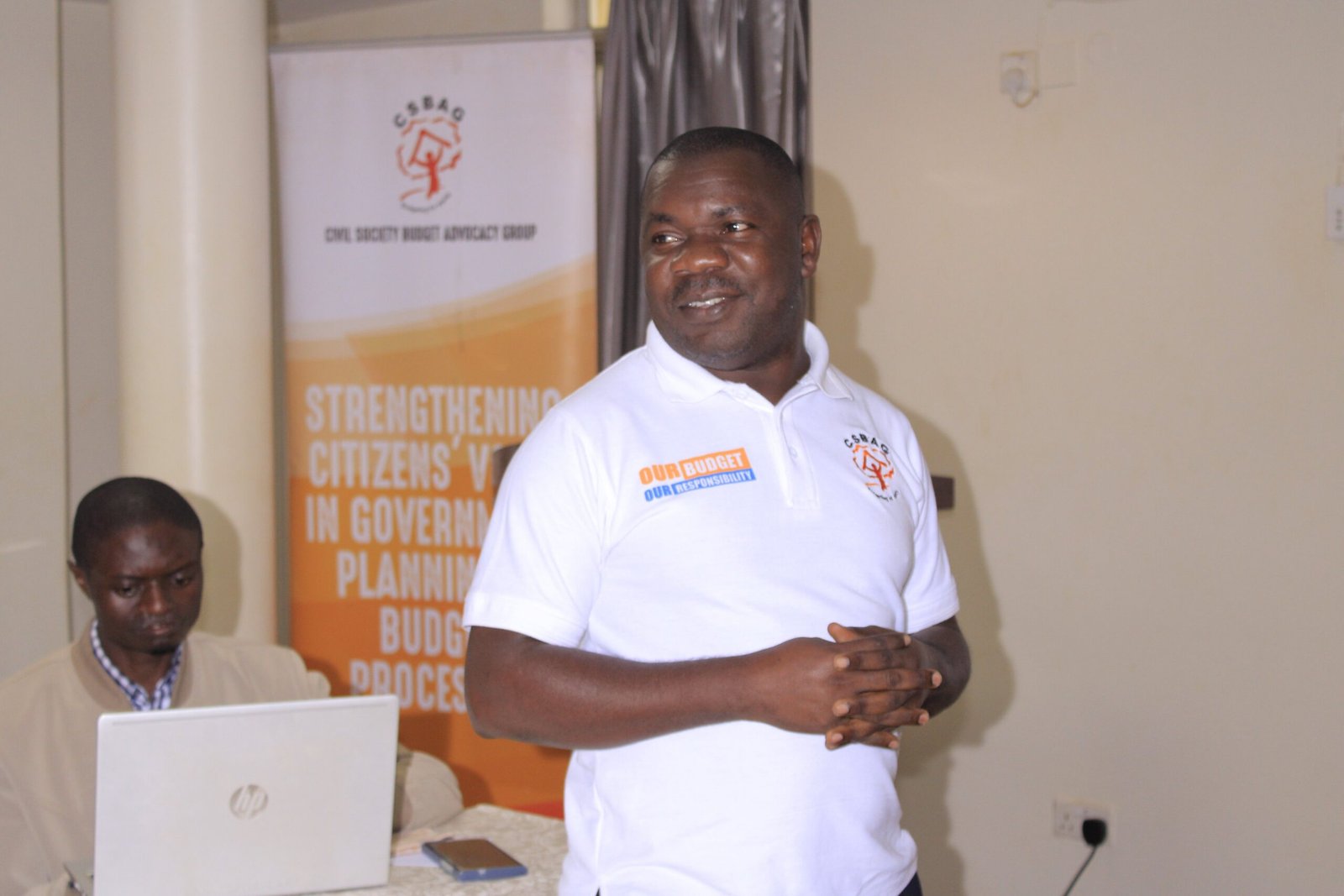
Scenes from across the two-day retreat group work, presentations and peer exchange among Uganda’s civil society organisations.
Civil Society in Uganda’s Budget Process: The Bigger Picture
It is worth stepping back and placing this retreat within the broader story of civic participation in Uganda’s fiscal governance. Uganda has, over the years, built some of the most sophisticated public participation frameworks in East Africa. The Public Finance Management Act mandates budget consultations. Parliament’s committee system is, in theory, open to submissions from the public and from organised civil society. The MoFPED has taken steps however fitful to make budget documents more accessible.
And yet, there are structural tensions that retreats like this one expose, year after year. The budget cycle is technically complex and moves quickly; civil society organisations, especially those outside Kampala, often lack the analytical capacity or the physical access to engage meaningfully. The MPS documents run into thousands of pages. The window for influence is narrow. Against this backdrop, CSBAG’s convening role bringing CSOs together, pooling analytical resources, coordinating advocacy is not a luxury. It is infrastructure for democratic accountability.
The reform aspiration runs deep. Participants at the retreat were not simply line-editing government documents. They were asserting, collectively, that Uganda’s budget is not a technical exercise to be managed by technocrats alone. It is a political document a statement of societal priorities, of who counts and who doesn’t, of which communities receive adequate resources and which are left to manage on goodwill and grants. Every position paper produced at a CSBAG retreat is a small but meaningful challenge to the assumption that these decisions should be made without the informed consent of those most affected by them.
When CSOs present issues in an evidence-based manner, it makes tracking and monitoring easier across sectors and it makes it much harder for concerns to be quietly forgotten between one budget cycle and the next.
— Wilberforce Onyuthi, M&E Specialist, CSBAG
Looking Ahead
The position papers developed at this retreat do not end in the room. They will be channelled to parliamentary committees, shared with line ministries and used to anchor WDF’s and CSBAG’s advocacy engagements in the weeks ahead as the FY2026/27 budget moves toward final approval. WDF will continue to track how our communities’ concerns find their way or fail to find their way into the final appropriations. Where they are adopted, we will document and celebrate the impact. Where they are ignored, we will return with sharper evidence and a louder voice.
Uganda’s budget process is ultimately a conversation about the kind of country we are choosing to build. WDF is grateful to CSBAG for creating a space where that conversation is informed, rigorous and anchored in the realities of the people who stand to gain or lose the most. We look forward to the continued partnership of all the organisations present and to the hard work of turning good analysis into better policy.
About WDF: Wilmat Development Foundation (WDF) is a Uganda-based NGO working across urban, peri-urban and rural communities on livelihoods transformation, community health and safety, gender justice and institutional accountability. Learn more at wdfug.org | Follow us: @WDFUganda