
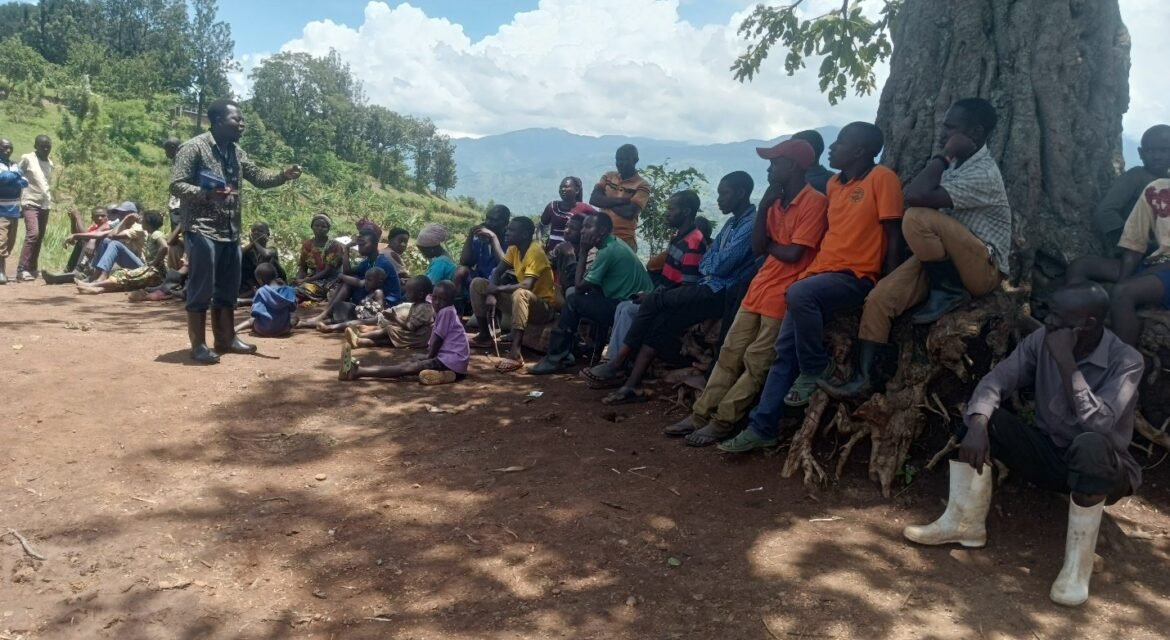
The April 2026 floods in Kasese are not a new story. They are a recurring one — and the data demands that we finally respond differently.
A Rapid Assessment conducted following the River Mubuku flooding and heavy windstorm of April 1–3, 2026 in Kasese District has confirmed the scale of destruction across the Rwenzori Region. The findings reflect what communities in this area have faced before — and will face again unless lasting structural solutions are put in place.
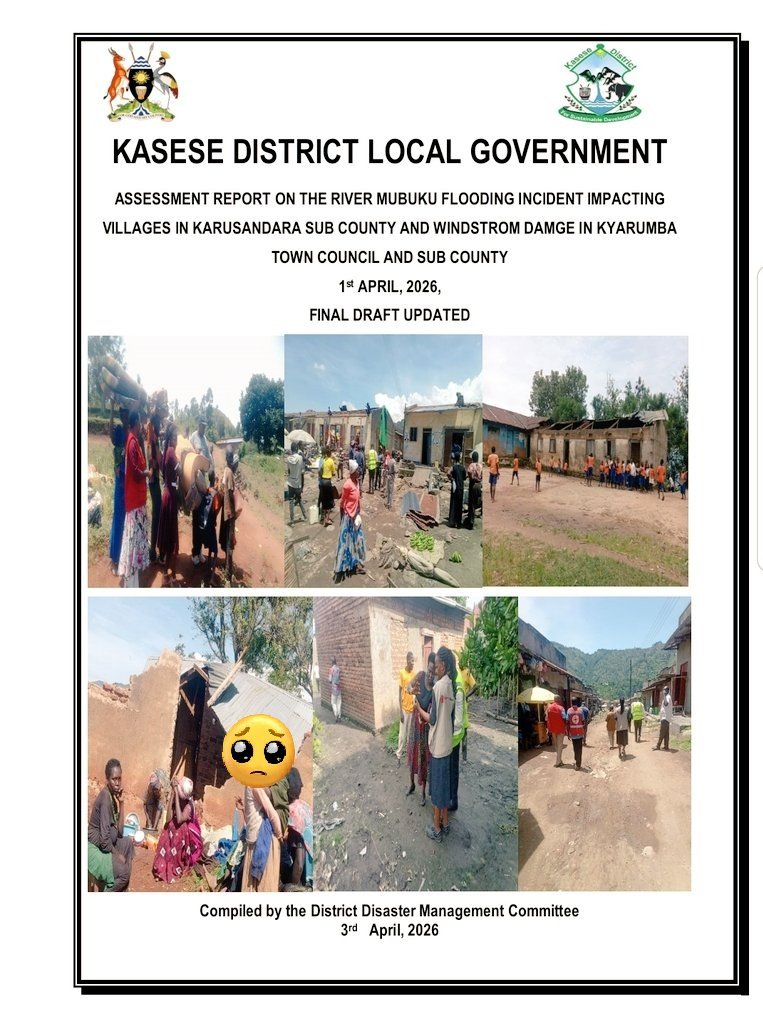
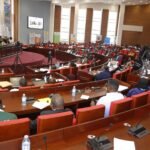
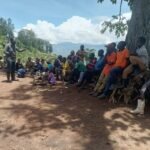
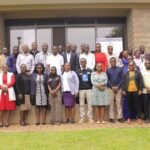
Scenes from Kasese District following the River Mubuku flooding and windstorm, April 2026.
The Same Crisis, Repeating
Kasese sits at the foot of the Rwenzori Mountains — a geography as beautiful as it is hazardous. Seasonal rainfall, riverbank encroachment, deforestation, and inadequate drainage infrastructure have turned flash floods and landslides from occasional emergencies into near-annual events. After each disaster, relief arrives. Communities rebuild. And the cycle continues.
The April 2026 assessment is a mirror. Nearly a thousand families lost crops that were their primary source of income and food. Hundreds of households were displaced. The human cost of inaction is no longer hypothetical — it is counted in acres and households and people.
What Communities Can Do Now
Resilience is built before a disaster — not after. WDF advocates for communities in high-risk zones to take the following steps without waiting for external direction:
- Map your hazards. Identify the households, slopes, and waterways most at risk in your community and document them at the village level.
- Form or revive a local DRR Committee. Disaster Risk Reduction Committees at the parish level — trained, active, and connected to sub-county leadership — save lives.
- Establish early warning channels. A designated community monitor who tracks river levels and relays alerts can move people to safety hours before a national bulletin is issued.
- Practice your evacuation plan. A plan on paper is not a plan. Communities that drill respond faster and lose less.
- Strengthen household financial buffers. VSLAs and community savings groups are disaster preparedness tools, not just development activities. A household with a financial cushion recovers differently.
What We Are Asking of Government and Stakeholders
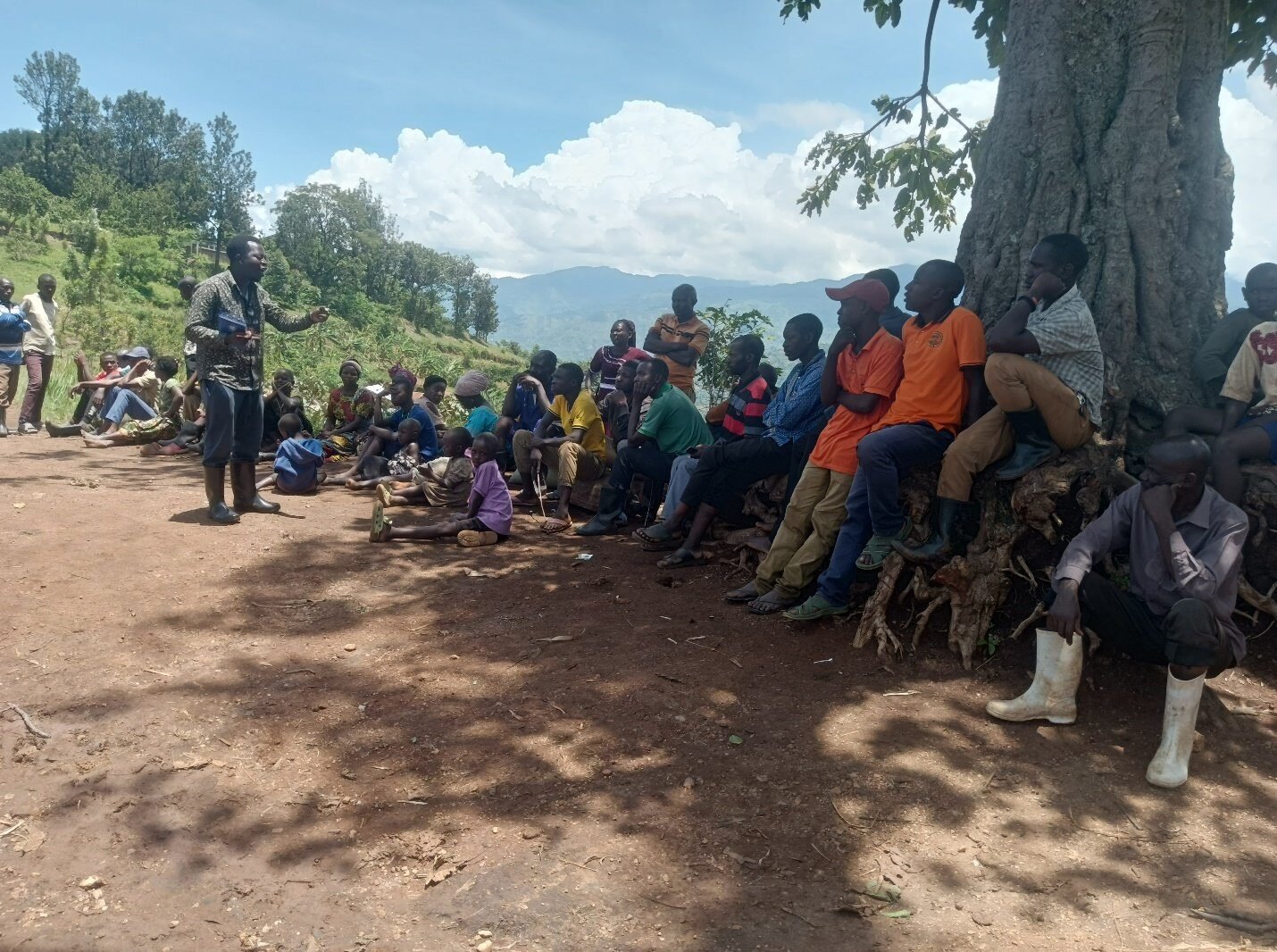
Community action alone is not enough. The April 2026 floods are a call to decision-makers at every level:
- Relief agencies: Ensure distributions are fast, targeted, and followed by medium-term recovery plans not just emergency kits.
- Ministry of Water and Environment / NEMA: Invest urgently in River Mubuku channel management. The technical knowledge to act exists. What is needed is the political will.
- Kasese District and sub-county governments: Fund and activate your Disaster Management Committees. Include community DRR structures in annual work plans with real budgets.
- Development partners and NGOs: Coordinate recovery support for the affected households and commit to multi-year resilience programming not one-off responses.
Prevention costs less than recovery. The April 2026 figures are proof enough of what delayed action looks like.